

Discover destinations where reality exceeds imagination and natural phenomena challenge everything you thought possible
Introduction: When Reality Becomes Science Fiction
Our planet harbors places so extraordinary that they seem lifted from science fiction novels. Imagine standing on ground that becomes a perfect mirror, creating an illusion where sky and earth merge into infinite space. Picture forests of alien trees that exist nowhere else in the universe, or floating mountains that inspired Hollywood blockbusters.
These aren’t digital fantasies—they’re real destinations where geological processes, evolutionary forces, and atmospheric phenomena have created landscapes that challenge human understanding of what’s possible on Earth.
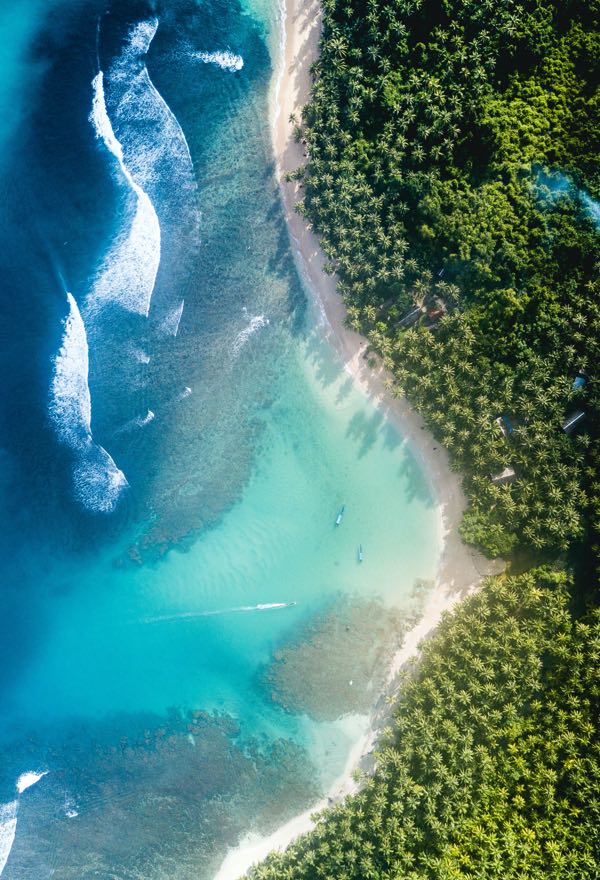
What you’ll discover in this guide:
7 destinations that redefine natural beauty
Scientific explanations behind impossible phenomena
Practical planning information for each location
Photography tips for capturing the incredible
Conservation insights for responsible travel
Quick Navigation
Salar de Uyuni, Bolivia – World’s Largest Mirror
Socotra Island, Yemen – Earth’s Most Alien Landscape
Zhangjiajie, China – Avatar’s Floating Mountains
Raja Ampat, Indonesia – Marine Life Explosion
Faroe Islands – Nordic Grass Roof Paradise
Aurora Borealis, Iceland – Cosmic Light Symphony
Antelope Canyon, USA – Cathedral of Light
https://www.youtube.com/watch?v=42CooeX8NoI
- Salar de Uyuni, Bolivia – World’s Largest Mirror {#salar-bolivia}
The Phenomenon
At 10,582 square kilometers, Salar de Uyuni creates Earth’s largest salt flat—a geological masterpiece so perfectly level that NASA uses it for satellite calibration. During Bolivia’s rainy season, this alien landscape transforms into the world’s largest mirror, where sky and earth become indistinguishable.
What makes it incredible:
Perfectly flat surface with less than 1-meter elevation variation across entire area
Mirror effect creates complete sensory disorientation
Hexagonal salt patterns during dry season appear mathematically designed
Contains 70% of world’s known lithium reserves
The Science Behind the Magic
Formation process:
Began 30,000 years ago when ancient lakes evaporated
Left salt deposits over 10 meters thick
Extraordinary flatness creates perfect mirror conditions
Thin rainwater layers spread across impermeable salt surface
When to witness the mirror effect:
Best months: January to April (rainy season)
Water depth: Just enough for reflection without depth
Dry season: Reveals geometric salt crystal patterns
Planning Your Visit
Essential information:
Elevation: 3,656 meters – prepare for altitude
Weather extremes: Below freezing nights, 25°C+ days
Transportation: Specialized 4WD vehicles required
Photography: UV protection essential due to intense reflection
What to expect:
Complete horizon disappearance during mirror season
Star reflections creating double galaxy effect at night
Flamingo colonies in mineral-rich lakes
Traditional salt harvesting operations
Conservation Notes
The Salar faces challenges balancing lithium mining, tourism, and environmental protection. Responsible travel includes:
Supporting local Quechua and Aymara communities
Following designated routes to protect salt formations
Understanding the fragile ecosystem balance
- Socotra Island, Yemen – Earth’s Most Alien Landscape {#socotra-yemen}
The Living Laboratory
Isolated in the Arabian Sea for millions of years, Socotra Island preserves evolutionary processes that created botanical landscapes straight from science fiction. This UNESCO World Heritage Site hosts species so unique that 95% of reptiles, 90% of plants, and 95% of land snails exist nowhere else on Earth.
Signature alien features:
Dragon Blood Trees with umbrella-shaped crowns and red resin
Bottle Trees with swollen, water-storing trunks
Endemic species that challenge basic botanical understanding
Landscapes that inspired alien world concepts
Evolutionary Wonderland
Why Socotra is unique:
Geological age: Rocks over 750 million years old
Isolation period: Millions of years of separate evolution
Endemic species: Living laboratory for studying evolution
Adaptation examples: Plants designed for extreme conditions
Notable endemic species:
Socotra Sunbird, Warbler, and Sparrow
Frankincense trees producing ancient trade goods
Desert roses growing in sand dune environments
Coastal plants adapted to salt spray and shifting sands
Cultural Heritage
Traditional Socotri culture:
Unique Soqotri language with no written form
Oral traditions preserving 500+ years of history
Traditional knowledge of endemic species
Sustainable resource management practices
Planning Considerations
Travel logistics:
Access challenges: Limited transportation due to regional conditions
Best approach: Specialized tour operators familiar with current conditions
Cultural sensitivity: Respect local customs and land use practices
Conservation focus: Support local communities and ecosystem protection
Photography opportunities:
Alien landscapes that appear digitally manipulated
Botanical species found nowhere else
Desert-meets-sea environments
Traditional communities maintaining ancient practices
- Zhangjiajie, China – Avatar’s Floating Mountains {#zhangjiajie-china}
The Inspiration for Pandora
Rising from mist-shrouded valleys like ancient stone skyscrapers, Zhangjiajie’s quartzite sandstone pillars create landscapes so fantastical they inspired Avatar’s floating mountains. This UNESCO World Heritage Site features over 3,000 stone columns reaching 200+ meters, supporting ecosystems that exist nowhere else.
What creates the magic:
Quartzite pillars formed 380 million years ago
Erosion carved valleys between resistant stone towers
Vertical ecosystems evolving in isolation
Cloud sea phenomena creating floating mountain illusions
Vertical Worlds
Unique ecosystems:
Sky islands: Plant communities existing only on specific tower tops
Micro-evolution: Species evolving on individual pillars
Golden Whip Stream: Subtropical valley ecosystem between pillars
Endemic species: Chinese Giant Salamander in pristine streams
Engineering marvels:
Glass bridge: World’s longest spanning the Grand Canyon
Cable systems: Accessing tower tops and high viewpoints
Tianmen Mountain: Natural arch creating mountain window
The Avatar Connection
Why filmmakers chose Zhangjiajie:
Stone pillars appear to defy gravity
Mist creates floating mountain illusions
Vertical scale exceeds normal perspectives
Three-dimensional landscape complexity
Visitor Experiences
Adventure opportunities:
Valley hiking: Streams flowing between stone towers
Cliff-face trails: Paths carved into vertical walls
Cable car journeys: Transitions from valley to summit
Photography challenges: Capturing true scale and depth
Seasonal variations:
Spring: Wildflower displays adding color
Summer: Lush green vegetation
Autumn: Dramatic foliage changes
Winter: Ice formations creating crystalline sculptures
Conservation Challenges
Avatar fame has increased tourism pressure while raising awareness about protecting these extraordinary landscapes. Conservation efforts focus on:
Protecting endemic species
Managing tourism impacts
Preserving air and water quality
Maintaining pristine conditions for specialized ecosystems
- Raja Ampat, Indonesia – Marine Life Explosion {#raja-ampat-indonesia}
The Crown Jewel of Marine Biodiversity
Located at the heart of the Coral Triangle, Raja Ampat creates Earth’s most biodiverse marine ecosystem. This archipelago hosts 1,500 fish species, 600 coral species, and 700 mollusk species—densities so incredible that every square meter reveals more species than most countries contain.
Record-breaking statistics:
75% of all known coral species
Most diverse marine ecosystem on Earth
Reliable manta ray encounters
Continuously discovered new species
The Perfect Storm of Biodiversity
What creates this underwater paradise:
Current convergence: Pacific and Indian Ocean waters meet
Nutrient flow: Rich waters supporting massive coral growth
Habitat diversity: From shallow reefs to deep-water walls
The Coral Triangle: Heart of global marine diversity
Signature experiences:
Manta ray encounters: Gentle giants at cleaning stations
Coral cities: Three-dimensional reef structures
Fish tornado effects: Schools so dense they block sunlight
Endemic discoveries: Species found only in these waters
Underwater Photography Paradise
Why photographers choose Raja Ampat:
Crystal-clear water visibility
Unprecedented species density
Dramatic underwater topography
Scenes that appear digitally enhanced but are completely natural
Diving conditions:
Strong currents: Challenging but nutrient-rich
Diverse sites: From gentle coral gardens to thrilling drift dives
Pelagic encounters: Whale sharks, sharks, barracuda tornadoes
Macro opportunities: Nudibranchs and tiny endemic species
Conservation Leadership
Traditional marine protection:
Sasi laws: Indigenous regulations protecting breeding areas
Community management: Local control of marine resources
Sustainable practices: Centuries of traditional conservation
Modern conservation efforts:
Marine protected areas managed by communities
Research stations monitoring coral health
Climate change impact studies
Training programs for local conservation
Planning Your Diving Adventure
Best conditions:
Visibility: Varies by season and current patterns
Marine life: Different species peak at different times
Current strength: Affects diving difficulty and site selection
Weather patterns: Seasonal variations impact accessibility
- Faroe Islands – Nordic Grass Roof Paradise {#faroe-islands}
Nordic Fairy Tale Made Real
Scattered across the North Atlantic like emerald stepping stones, the Faroe Islands create landscapes so dramatic they seem designed by Nordic mythology. These 18 volcanic islands host 50,000 residents maintaining traditions that include grass-roof architecture and sustainable practices in harmony with extreme natural beauty.
Iconic features:
Grass roof architecture: Buildings that grow from the landscape
Múlafossur Waterfall: Cascading directly into the Atlantic
Dramatic cliffs: 400-meter drops to churning seas
Traditional villages: Preserving 1,000+ years of heritage
Living in Harmony with Extremes
Adaptation to harsh conditions:
Turf roofs: Insulation against North Atlantic storms
Traditional building: Techniques protecting communities for millennia
Sustainable fishing: Practices maintaining marine resources
Weather resilience: Four seasons possible in single day
Cultural preservation:
Chain dancing: Epic ballads preserving Viking history
Oral traditions: 500+ years of cultural memory
Traditional hunting: Sustainable pilot whale practices
Architecture: Functional beauty in extreme climates
Natural Wonders
Puffin colonies:
Mykines Island: Atlantic’s largest breeding populations
Cliff-top burrows: Adaptation to extreme weather
Colorful seabirds: Photography opportunities
Seasonal access: Weather-dependent bridge connections
Scenic highlights:
Tórshavn: Nordic wooden architecture with grass roofs
Hiking trails: Connecting islands through tunnels and bridges
Weather drama: Constantly changing conditions
Seabird colonies: Gannets, fulmars, and endemic species
Planning Your Nordic Adventure
Weather considerations:
Unpredictable conditions: Rapid weather changes
Seasonal variations: Different experiences throughout year
Photography challenges: Dynamic lighting conditions
Equipment needs: Weather-resistant gear essential
Cultural experiences:
Traditional cuisine: Fermented fish, wind-dried mutton
Community events: Sheep roundups and cultural festivals
Nordic lifestyle: Observing sustainable island living
Modern innovation: Traditional ingredients with contemporary techniques
- Aurora Borealis, Iceland – Cosmic Light Symphony {#aurora-iceland}
When Earth Meets Cosmos
Dancing across Iceland’s volcanic landscapes like cosmic choreography made visible, the Aurora Borealis creates light displays where solar particles traveling 93 million miles interact with Earth’s atmosphere to paint the sky with green, purple, and pink curtains that move with fluid grace.
The cosmic dance:
Solar wind particles: Journey from sun to Earth’s magnetic field
Atmospheric interaction: Electrical discharges in upper atmosphere
Color creation: Oxygen produces green/red, nitrogen creates blue/purple
Three-dimensional displays: Layered colors at different altitudes
Iceland’s Aurora Advantage
Optimal viewing conditions:
Geographic position: Just below Arctic Circle
Magnetic field configuration: Ideal for aurora formation
Landscape integration: Volcanoes, glaciers, and hot springs as foregrounds
Dark sky areas: Minimal light pollution
Signature viewing locations:
Jökulsárlón Glacier Lagoon: Auroras reflecting in iceberg-filled waters
Blue Lagoon: Cosmic lights while soaking in geothermal pools
Volcanic landscapes: Recent lava fields as dramatic foregrounds
Remote highlands: Pristine conditions for photography
The Science of Aurora Photography
Technical considerations:
Camera settings: Long exposure techniques for invisible structures
Composition challenges: Balancing cosmic and terrestrial elements
Weather dependence: Clear skies essential for visibility
Solar cycle timing: 11-year patterns affecting intensity
Cultural connections:
Icelandic folklore: Spirits, warriors, and afterlife pathways
Historical inspiration: Influence on art, literature, and spirituality
Modern research: Space weather and magnetic field studies
Tourism infrastructure: Specialized tours and accommodations
Planning Your Aurora Hunt
Optimal timing:
Season: September through March
Peak period: Winter solstice with 20-hour darkness
Solar activity: Monitoring space weather forecasts
Weather patterns: Clear sky requirements
Photography preparation:
Equipment needs: Tripods, wide-angle lenses, extra batteries
Cold weather challenges: Battery life and equipment protection
Composition planning: Foreground elements and landscape integration
Patience requirements: Waiting for optimal conditions
- Antelope Canyon, USA – Cathedral of Light {#antelope-canyon-usa}
Nature’s Light Sculptures
Carved by flash floods through Navajo sandstone over millions of years, Antelope Canyon creates slot canyon chambers where light beams become solid, sculptural elements. This sacred Navajo site demonstrates how geological processes and atmospheric phenomena combine to create natural cathedrals where photography becomes spiritual practice.
Formation process:
Flash flood carving: Narrow channels through 190-million-year-old sandstone
Wind and water polishing: Smooth, flowing curves in canyon walls
Organic architecture: Every surface appears deliberately sculpted
Light beam creation: Sunlight through narrow slots becomes visible shafts
The Cathedral Effect
Upper Antelope Canyon (“The Crack”):
Famous light beams: Midday summer sunlight creates ethereal displays
Smooth walls: Flowing curves like geological art galleries
Tour experiences: Guided groups during optimal lighting
Photography challenges: Narrow spaces and changing light
Lower Antelope Canyon (“The Corkscrew”):
Intimate chambers: Descending through earth via narrow staircases
Intricate formations: Water erosion artistry revealed by artificial lighting
Photography opportunities: Different lighting reveals hidden textures
Physical challenges: More demanding access requirements
Sacred Navajo Heritage
Cultural significance:
Sacred status: Earth spirits residence requiring respectful behavior
Traditional knowledge: Flood patterns and seasonal safety
Spiritual practices: Recognition of sacred sites
Guided experiences: Navajo guides providing cultural context
Respect requirements:
Photography protocols: Understanding when and how to photograph
Behavior expectations: Quiet reverence in sacred spaces
Cultural learning: Appreciating indigenous perspectives
Economic support: Tourism supporting tribal communities
Safety and Conservation
Flash flood dangers:
Weather monitoring: Conditions across vast watersheds
Rapid water rise: Deadly torrents from distant rainfall
Safety protocols: Constant vigilance and emergency procedures
Geological forces: Same processes creating and threatening canyons
Conservation challenges:
Visitor impact: Protecting delicate sandstone formations
Tourism pressure: Balancing access with preservation
Photography limitations: Managing equipment in narrow spaces
Guided tours: Controlled access protecting formations
Photography Masterclass
Technical challenges:
Extreme lighting: Bright beams contrasting with dark walls
Narrow spaces: Equipment limitations in tight quarters
Changing conditions: Light quality varying throughout day
Specialized techniques: Slot canyon photography methods
Seasonal considerations:
Summer light beams: Optimal conditions for famous light shaft photos
Off-season visits: Different lighting effects, reduced crowds
Weather dependence: Flash flood risks affecting access
Time restrictions: Limited windows for optimal photography
Planning Your Incredible Places Adventure
Best Times to Visit Each Destination
Optimal seasons by location:
DestinationBest MonthsKey ConsiderationsSalar de UyuniJan-Apr (mirror), May-Oct (salt patterns)Altitude preparation essentialSocotra IslandOct-AprRegional conditions affect accessZhangjiajieApr-OctAvoid Chinese Golden Week crowdsRaja AmpatOct-AprDry season for best divingFaroe IslandsMay-SepWeather still unpredictableAurora IcelandSep-MarPeak darkness winter solsticeAntelope CanyonApr-SepSummer for light beams
Photography Tips for Incredible Places
Essential equipment:
Wide-angle lenses: Capturing scale and drama
Tripods: Long exposures and low light
Weather protection: Extreme conditions preparation
Extra batteries: Cold weather and remote locations
Composition strategies:
Scale reference: Human elements showing incredible size
Foreground elements: Adding depth to impossible landscapes
Light timing: Understanding optimal conditions for each location
Cultural sensitivity: Respecting photography restrictions
Responsible Travel Guidelines
Conservation principles:
Leave No Trace: Protecting fragile environments
Local support: Contributing to community economies
Sustainable practices: Minimizing environmental impact
Cultural respect: Understanding and honoring local customs
Preparation essentials:
Physical conditioning: Some destinations require fitness
Weather readiness: Extreme conditions preparation
Cultural education: Learning about local communities
Safety planning: Understanding risks and precautions
Why These Places Matter
Scientific Significance
These incredible places serve as natural laboratories where scientists study:
Geological processes: Understanding how Earth shapes landscapes
Evolution in isolation: Species adaptation in unique environments
Climate systems: Atmospheric and oceanic phenomena
Conservation biology: Protecting extraordinary ecosystems
Cultural Heritage
Each destination preserves indigenous knowledge systems that demonstrate:
Sustainable relationships with extraordinary landscapes
Traditional practices protecting fragile environments
Cultural wisdom developed over centuries
Spiritual connections to natural phenomena
Conservation Urgency
Many incredible places face unprecedented challenges:
Climate change: Altering the conditions that create phenomena
Tourism pressure: Impacts on fragile systems
Development threats: Economic pressures on protected areas
Pollution: Light, air, and water quality affecting experiences
Conclusion: Earth’s Infinite Creativity
These seven incredible places prove that our planet continues to surprise us with creative forces that exceed human imagination. From perfect mirrors reflecting infinite sky to underwater worlds exploding with life, from floating mountains to cosmic light shows, Earth demonstrates that reality can surpass our wildest dreams.
What makes these destinations truly transformative:
They operate on scales that humble human understanding
They connect individual moments with planetary phenomena
They preserve natural processes millions of years in the making
They inspire profound questions about creative forces shaping our world
The urgent opportunity exists now to experience these wonders while supporting the conservation efforts and cultural heritage that protect them for future generations.
Each destination requires approaching with respect, preparation, and genuine appreciation for the ancient forces that continue creating beauty beyond human imagination.
Start Planning Your Incredible Adventure
Ready to experience places that defy belief?
Choose your first incredible destination and begin planning an adventure that will challenge everything you thought you knew about what’s possible on our remarkable planet.
Which destination most challenged your understanding of Earth’s creative possibilities? Share your thoughts and start planning your journey to witness where reality exceeds imagination.